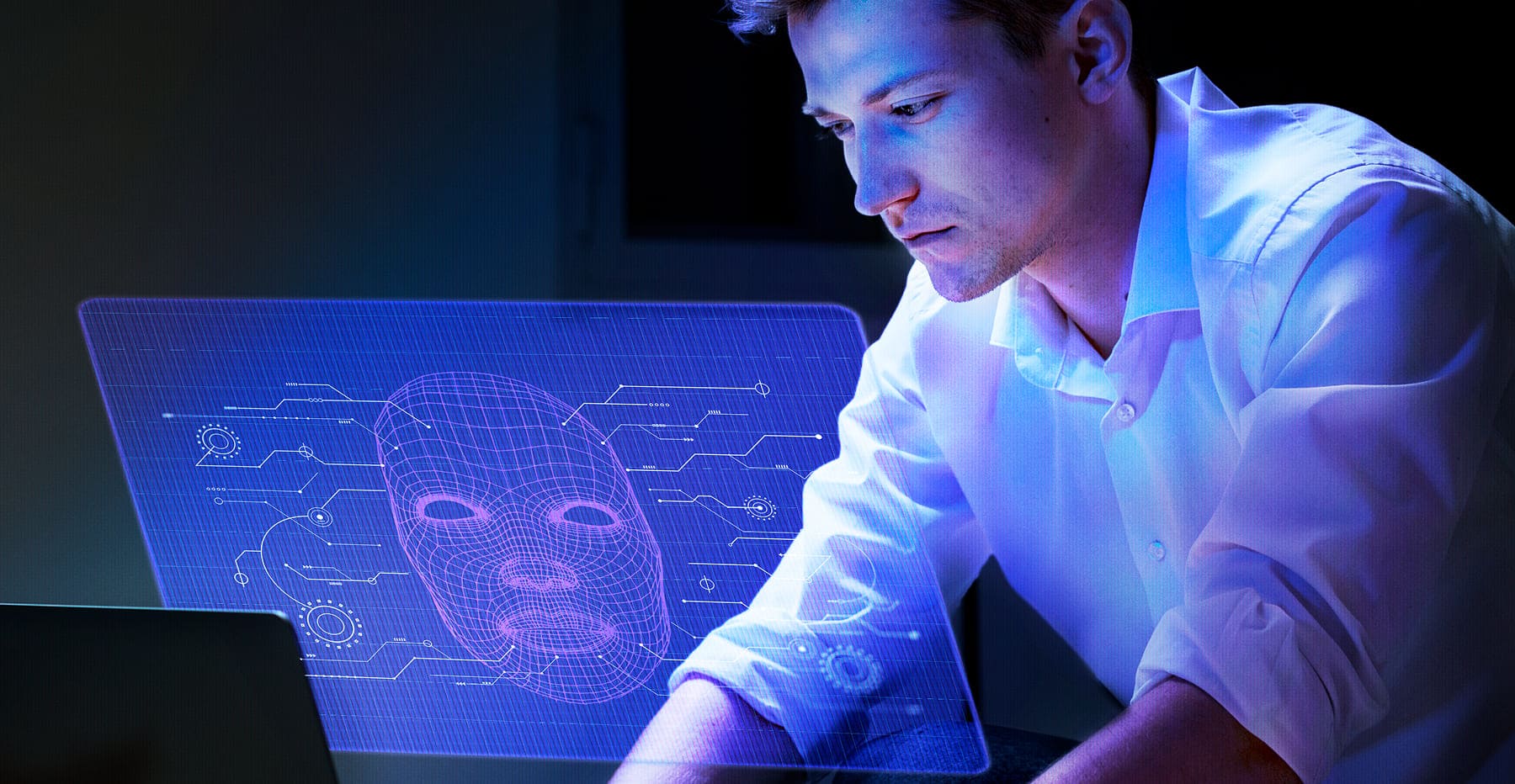
Digital Twins are virtual replicas of physical objects, systems, or processes. Their defining feature is that they don’t just mirror a static form; they reflect behavior in real-time. Using a network of sensors, every transformation in the physical world is captured and transmitted to a database. This allows the digital twin to collect data, analyze performance, run simulations, and predict future outcomes. Today, this technology is being deployed across diverse sectors—from heavy manufacturing to the agricultural industry.
Key Areas of Application
While the potential uses are nearly limitless, here are the primary sectors currently leveraging this technology:
- Manufacturing and Engineering A virtual copy of equipment shows exactly how a machine operates, where overloads occur, and when wear-and-tear will lead to failure. This results in minimal downtime, reduced repair costs, and significantly higher production reliability.
- Construction and Building Management Modern buildings are ecosystems of substations, ventilation units, pumps, and sensors. By allowing a building to "communicate" with its digital twin, owners can monitor engineering systems and power grids in real-time. This makes it possible to detect heat loss or schedule maintenance long before a critical failure occurs.
- Water Resource Management — Freshwater is an increasingly precious resource. Digital twins are essential for monitoring reserves, ensuring accurate assessments, and controlling the distribution and consumption of water—vital tasks in the face of global climate change.
- Digital Megalopolises (Smart Cities). In a smart city, digital twins manage lighting, traffic flow, and utility systems. This allows authorities to react instantly to accidents or optimize the consumption of electricity and water across the entire urban grid.
- Agriculture. Digital twins help optimize the use of water and fertilizers, manage drip irrigation, and reduce soil salinity. From "smart warehouses" to automated field management, these systems ensure maximum yield with minimal environmental impact.
Today, Digital Twins reduce costs, improve the controllability of complex systems, and prevent costly breakdowns. In the near future, they will become the standard in every industry where precision, reliability, and real-time analytics are paramount.